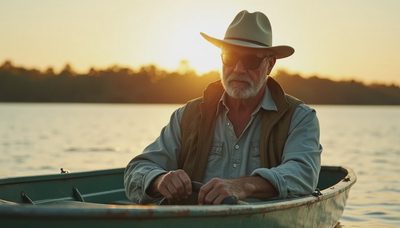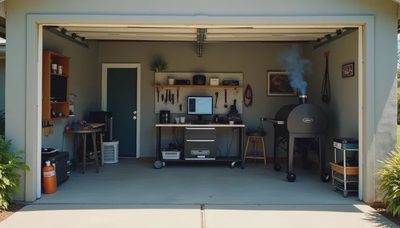
I started looking into Braunig Lake fishing after a simple garage conversation about weekend plans turned into a debate over catfish bait, red drum rigs, and whether anybody actually needs six tackle boxes. The answer is no. You can fish this San Antonio-area lake effectively with one medium rod, a small selection of terminal tackle, and bait that matches the species in front of you. The lake is not a secret mountain retreat. It is a working cooling reservoir with warm water, useful shoreline access, and several chances to catch something worth taking home.
Braunig Lake sits southeast of San Antonio near Elmendorf and is associated with the CPS Energy power station. That matters because the lake's warm-water environment can keep fish active when other Texas lakes slow down. Conditions change with weather, water movement, fishing pressure, and power-plant operations, so do not expect one magic spot to produce every time. Start with a sensible plan, watch the water, and adjust before you blame the rod.
What You Can Catch at Braunig Lake
The main draw for Braunig Lake fishing is the variety. Channel catfish are a dependable target, especially for anglers who want a straightforward setup and a realistic chance at dinner. Cut bait, prepared stink bait, shrimp, and chicken liver are common choices. Use a sliding egg sinker above a swivel and short leader, then cast near a drop-off, channel edge, or current seam. Let the bait work. Constantly dragging it across the bottom usually creates more snags than bites.
Red drum are another reason people bring heavier gear. These fish can make a basic fishing trip suddenly interesting, particularly around warmer water and areas with structure. A medium-heavy rod with a sturdy reel gives you more control without turning the outing into a broomstick contest. Live bait, cut bait, and artificial lures can all have a place, but the right option depends on water clarity and what is already feeding.
Largemouth bass are present as well, although they are not always as cooperative as the catfish. Try soft-plastic worms, swimbaits, or compact spinnerbaits around cover during lower-light periods. Tilapia also attract attention, but regulations and harvest rules can change. Read the current Texas Parks and Wildlife requirements before keeping fish, and carry only legal gear.
A Simple Setup That Actually Works
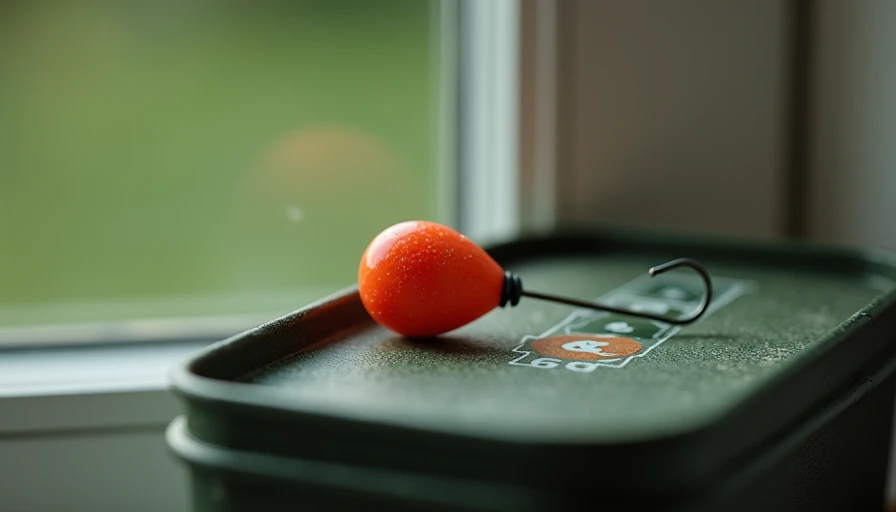
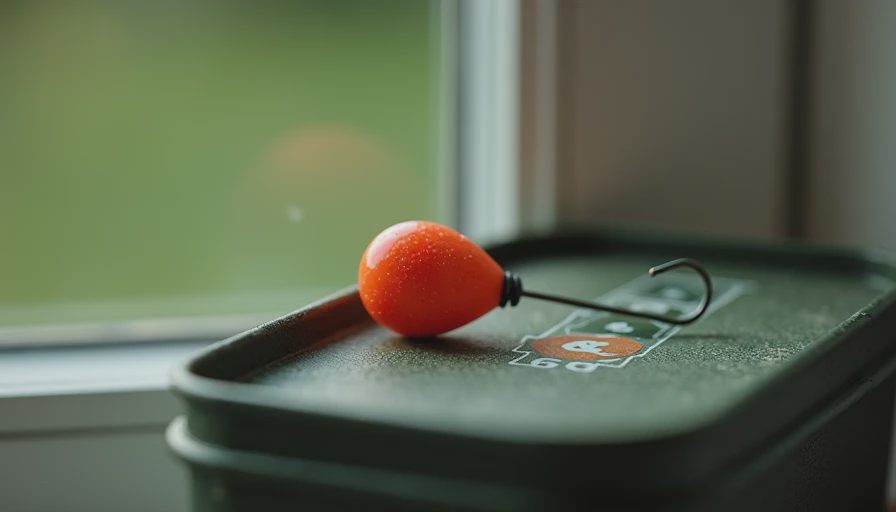
For bank fishing, I would start with a seven-foot medium or medium-heavy spinning rod, 10- to 15-pound monofilament or braided main line, and a fluorocarbon leader when the water is clear. A 1/2- to 2-ounce sinker handles many bottom-fishing situations, but wind and current decide the final weight. If your sinker is rolling nonstop, go heavier. If it is buried in mud and impossible to retrieve, go lighter or change position.
Bring circle hooks for catfish and other bait fishing. They are designed to catch in the corner of a fish's mouth when used correctly, so do not immediately jerk the rod when it loads. Let the fish pull steadily, then lift and reel. Hook size depends on bait and target size, but a reasonable range for common catfish bait is often 2/0 through 5/0. That is a starting point, not a law of physics.
A landing net, pliers, hook remover, cutting board, gloves, and a small cooler are more useful than another package of novelty lures. Texas heat is not a minor detail. Pack more water than you think you need, apply sunscreen again, and keep bait chilled. I have watched good fishing trips fall apart because somebody treated August like April.
Where to Start Without Guessing All Day
Good Braunig Lake fishing does not require driving in circles until the fuel gauge becomes part of the strategy. Begin by identifying access areas where you can fish legally and safely. Look for points, bends, riprap, visible changes in bottom depth, and places where wind pushes bait toward shore. If you are in a boat, use electronics to locate channel edges and suspended fish, but do not assume a bright screen guarantees a bite.
Water temperature and wind direction can help narrow the search. Warm water may draw bait and predators, while a steady wind can concentrate activity along one bank. Early morning and late afternoon are usually more comfortable and often more productive for bass. Catfish can feed throughout the day, especially when scent carries along a current line or near a depth change.
Give a spot 20 to 30 minutes with a bait rod before deciding it is dead. Cast two distances rather than throwing everything to the same point. One bait can sit close to shore while another reaches deeper water. This basic comparison tells you more than changing hooks every five minutes. If there are no taps, no bait movement, and no signs of activity, move.

Rules, Access, and Heat Management
Before any Braunig Lake fishing trip, verify access hours, launch information, lake-specific notices, license requirements, size limits, bag limits, and permitted methods. Texas rules are not decoration. They exist to protect the fishery, and they can change by species or location. A current Texas Parks and Wildlife resource is more reliable than an old forum reply from somebody who has not visited in years.
Wear shoes with solid traction near ramps and rocky shoreline. Keep children close to the water, especially around steep banks and boat traffic. A long-handled net helps with fish handling, while needle-nose pliers keep hands away from teeth, hooks, and rough gill plates. Release fish promptly if you are not keeping them. If you plan to eat the catch, use ice immediately and follow current consumption advisories for the lake.
Heat deserves its own plan. Start with a full cooler, a hat, sunglasses, and enough drinks for the entire group. A small umbrella or shade shelter can turn a miserable afternoon into a tolerable one. Watch for dizziness, headache, confusion, or unusual fatigue. Fishing is supposed to be relaxing. It is not a contest to see who can ignore heat illness the longest.
A Better First Trip Plan
For a first visit, I would fish the last two hours before sunset with two rods if regulations and access rules allow it. Put one on the bottom with cut bait for catfish and work a soft plastic or small swimbait with the second. This covers two different patterns without hauling the whole tackle aisle from the truck. Bring extra leaders because rocky edges and submerged debris will eventually collect payment.
Keep notes. Write down the time, wind, water clarity, bait, depth, and whether the bite came near structure or open bottom. After three or four trips, those notes become more useful than a generic fishing video. You will see whether your best results came during warm evenings, after a weather change, or along a particular type of shoreline.
The biggest mistake in Braunig Lake fishing is changing everything at once. If the bait is fresh, the hook is sharp, and the rig is legal, change one variable: location, depth, bait, or time. That gives you information instead of a pile of guesses.
Final Gear Check Before You Leave
Put the license and rules confirmation in your phone, then pack rods, reels, spare line, hooks, sinkers, swivels, leaders, pliers, a net, bait, ice, water, sunscreen, and trash bags. Check every drag before leaving the driveway. A sticky drag is not fixed by optimism. Test the reel, inspect the line for nicks, and tie fresh knots if the tackle has been sitting in a garage all winter.
Braunig Lake fishing rewards preparation more than expensive equipment. Spend money on fresh line, dependable hooks, and enough ice before buying another lure color. Get there early enough to find legal access, fish one pattern carefully, and move when the evidence says the spot is empty. That is the whole approach I use on a build bench and at the lake: remove the weak points before they ruin the afternoon. I turn it on so you don't have to. Now grab the rod, check the current rules, and go find out what is biting.