
I started looking at a 12 jon boat after hauling a full-size rig around Houston-area ramps and deciding I was done wrestling with unnecessary weight. A compact flat-bottom boat can be cheap, easy to launch, and useful for fishing ponds, creeks, and sheltered lakes. It can also become an unstable metal bathtub if you buy the lightest hull, overload it, and bolt on more motor than the transom can handle. That is where people get in trouble.
A 12 jon boat is usually 12 feet long, but length alone tells you almost nothing. Hull width, bottom shape, aluminum thickness, seat layout, weight capacity, and transom height matter more than a shiny product photo. I turn it on so you do not have to; with boats, that means looking past the catalog language and checking the parts that keep you upright.
What a 12 jon boat is good for
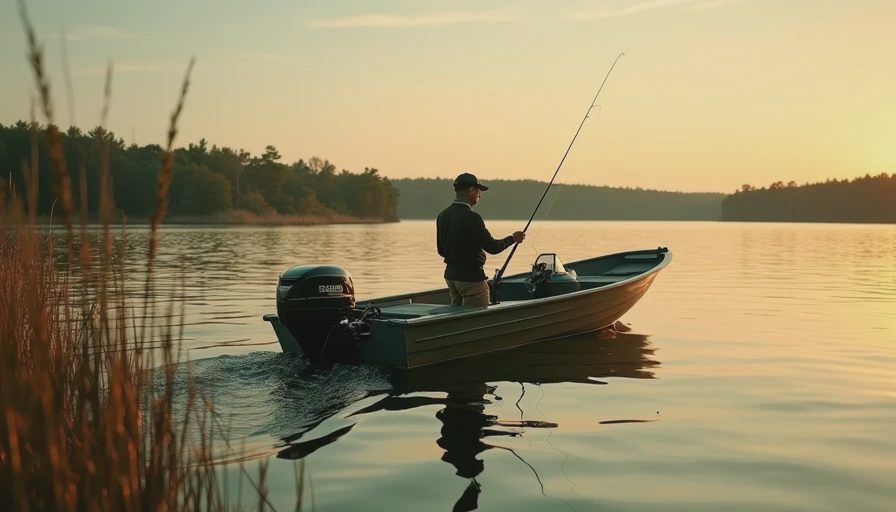
A 12 jon boat makes sense when the water is calm and the launch is awkward. It fits in many pickup beds with the correct supports, can be moved by two adults, and does not demand a large trailer. Typical bare-hull weights range from roughly 100 to 200 pounds. Add a battery, trolling motor, fuel, anchor, tackle, and two adults, and the load can increase quickly.
This size is a strong choice for one angler who wants room for a cooler and a small tackle bag. It can also carry two people comfortably when the hull is wide enough and the gear is controlled. Three adults are a different story. Even if the capacity plate allows the weight, the freeboard gets low and every movement affects the boat. Capacity is a safety limit, not a promise of comfort.
A 12 jon boat is not the right tool for large open water, rough bays, or windy reservoirs. The flat bottom gives it excellent stability at rest, but it can pound across chop and turn sharply when a wave hits from the side. On sheltered water, that tradeoff is useful. On exposed water, it deserves respect.

Hull thickness and width: spend money here first
Manufacturers often describe aluminum by gauge or thickness. In practical terms, a lighter hull saves carrying weight but dents more easily when it meets a rocky bank. A heavier hull costs more and takes more effort to move, but it usually tolerates regular loading, dragging, and occasional contact with a shallow bottom better.
For a 12 jon boat used on calm ponds, a lighter hull can be perfectly reasonable. For public ramps, stump-filled creeks, or frequent trailer use, I would rather have a tougher bottom than another cup holder. Look for reinforced ribs underneath the floor and a transom that does not flex when you push against it. Welded construction often costs more than riveted construction, but the real question is the quality of the work and the intended use.
Width matters just as much. A narrow hull is easier to carry and may fit better in a truck bed. A wider hull generally feels steadier when you stand to cast, though it can weigh more and require a larger trailer. Check the bottom width separately from the maximum beam. A tall, narrow boat can look substantial while providing little usable floor space.
Choosing the motor without cooking the budget
Most owners should decide between a small gasoline outboard and a trolling motor based on where they fish. A 3- to 6-horsepower outboard can move a light boat efficiently on small lakes, while a 9.9-horsepower motor is a common ceiling for this size. Do not assume every 12 jon boat can legally or safely take the same horsepower. Read the capacity plate first.
A transom-mount electric motor is quieter and simpler. A 30- to 55-pound-thrust unit is often enough for slow fishing on protected water, but batteries are heavy. A Group 27 deep-cycle battery can weigh around 50 to 60 pounds, which matters in a small hull. Lithium batteries reduce weight and provide useful run time, but their price can exceed the boat itself.
Budget for the controls, battery box, wiring, fuse, charger, and a proper storage method. Loose battery cables rubbing against aluminum are not a clever shortcut. Use marine-rated wire, protect the positive lead with the correct fuse, and secure the battery so it cannot slide during transport.
Seating, storage, and trailer details
A basic bench layout keeps the price down, but fixed benches can make a small boat feel crowded. A center seat may divide two anglers better than a rear bench, while an open floor is more useful for a cooler, dog, or camping gear. Before buying, sit in the boat and imagine lifting a rod, opening a tackle box, and turning around without stepping on someone else's feet.
Storage does not need to be fancy. A waterproof tote, small dry box, and tie-down points usually beat molded compartments that consume floor space. Add a bilge pump even if you expect to stay dry. It is cheap insurance when rain, spray, or a loose plug puts water where it should not be.
A trailer can cost $800 to $2,000 or more depending on size and features, while a used trailer may look inexpensive until you replace tires, bearings, lights, and winch strap. Check the frame for rust, verify the bunks support the hull, and inspect the coupler before handing over money. A boat that is cheap to own but difficult to transport will sit in the driveway.
What a realistic budget looks like
A bare 12 jon boat often starts around $1,000 to $2,500 new, with heavier welded models and package rigs moving well above that range. Used boats can be bargains, but condition matters more than the paint. A package with a small outboard, trailer, battery, safety gear, and registration costs can land anywhere from $3,000 to $7,000 depending on age and equipment.
Plan another $300 to $800 for essentials: life jackets, fire extinguisher where required, anchor, rope, paddle, lights, registration items, and a cover. A fish finder may add $100 to $600. A cheap boat becomes an expensive project when the seller removes every useful accessory and prices each one separately.
Inspect rivets for staining, seams for repairs, the transom for soft wood, and the drain plug for a damaged fitting. On an outboard, check cold starting, telltale water flow, gear engagement, and lower-unit oil. If the seller warms it before you arrive, ask why. That is not proof of a problem, but it is a reason to slow down.
A quick buying checklist
Start by writing down the actual mission: one person on a pond, two people on a lake, or occasional duck hunting with bulky gear. Then compare capacity plates, not internet guesses. Measure your garage, truck bed, and storage path before buying a trailer or hull that cannot fit.
Next, inspect the boat empty and loaded. A hull that feels stable with one person may feel completely different with a second adult, battery, fuel tank, and cooler. Keep heavy items low and centered. Never stand while the other person is shifting seats or gear.
Finally, price the complete system. Include registration, trailer maintenance, motor service, safety equipment, and storage. The best 12 jon boat is not the one with the lowest sticker price. It is the one you can launch, move, maintain, and use without inventing a new problem every weekend.
Before you buy a 12 jon boat, measure the hull, read the capacity plate, inspect the transom, and run the motor cold. Take those four steps today. They will expose most bad deals before your money disappears.